
How to Make Classic Spaghetti Carbonara at Home
Have you ever wondered if the “authentic” spaghetti carbonara you see in restaurants is truly the same dish nonnas have perfected in their Italian kitchens for generations? Many believe it’s a complicated, cream-laden affair, but the truth is elegantly simple and incredibly satisfying. Today, we’re going to dive into the art of making an authentic How to Make Classic Spaghetti Carbonara at Home, a dish that’s rich in flavor and surprisingly easy to master. Forget everything you thought you knew about this iconic Roman Pasta & Italian Recipes and prepare for a culinary revelation. This guide will walk you through each step, ensuring your homemade carbonara rivals the best trattorias.
Ingredients List
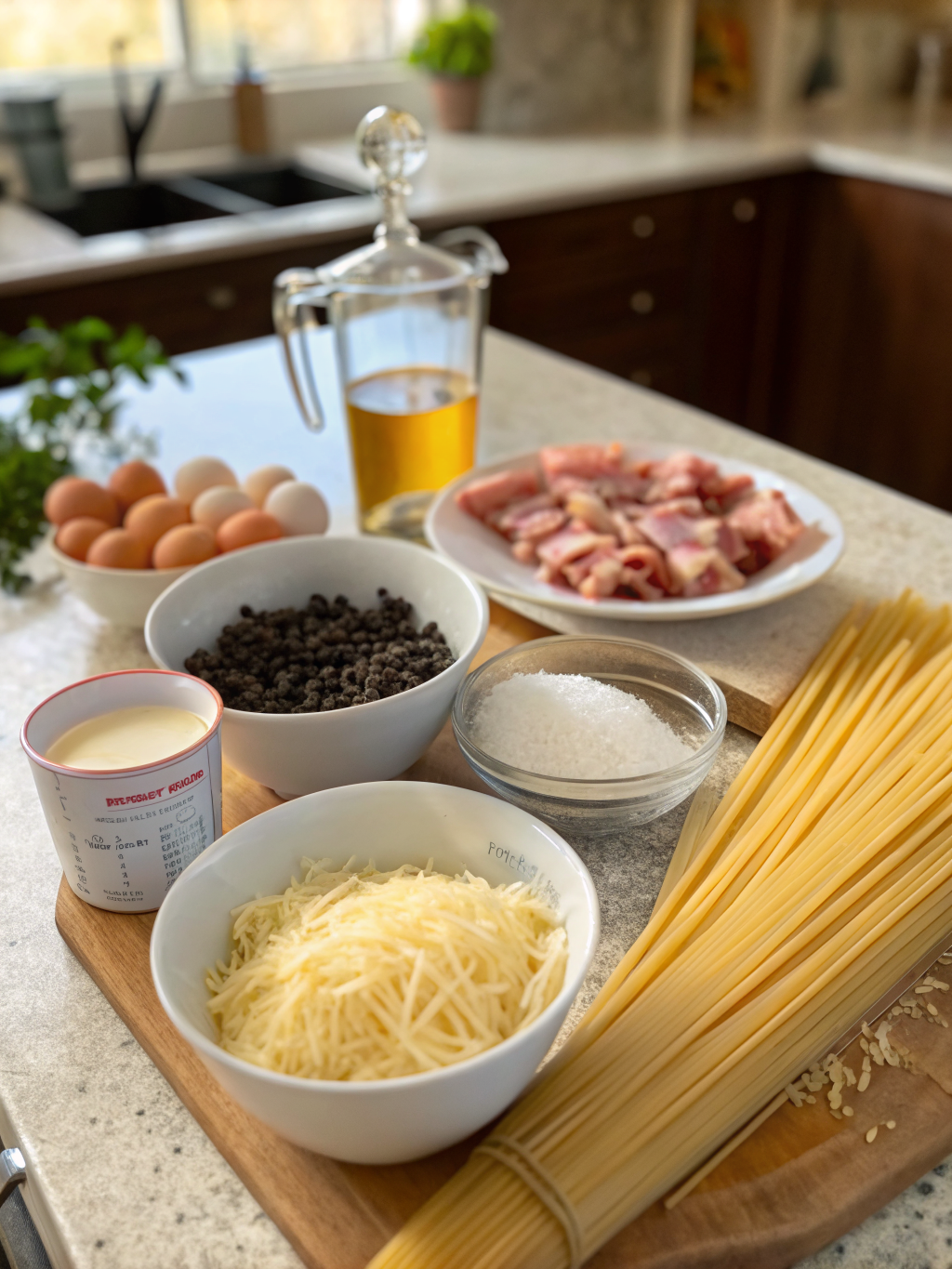
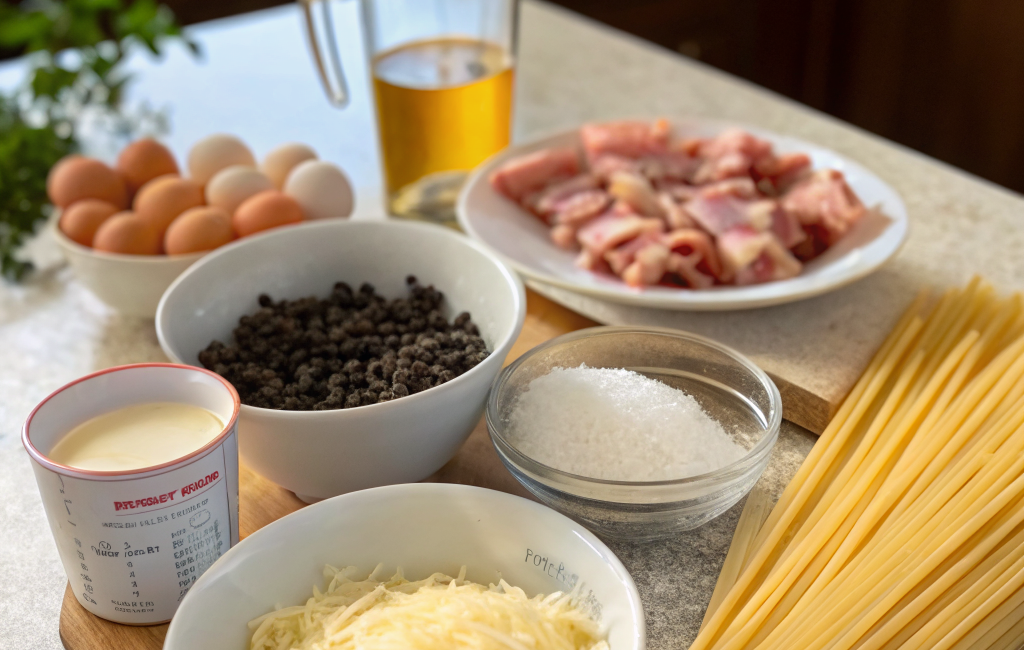
Crafting the perfect carbonara requires a few high-quality, essential ingredients. Think rich, savory, and fresh!
- 200g Guanciale or Pancetta: The soul of carbonara! Guanciale (cured pork jowl) is traditional and offers the deepest flavor. If unavailable, good quality pancetta (cured pork belly) is an excellent substitute. Approximately 7 ounces.
- 1 large Egg + 2-3 Egg Yolks: The emulsified magic that creates the creamy sauce. Use fresh, organic eggs for the best results.
- 100g Pecorino Romano Cheese, freshly grated: A sharp, salty, hard sheep’s milk cheese from Rome. Do not substitute with parmesan if you want an authentic taste, though a blend could work in a pinch. Approximately 3.5 ounces.
- 200g Spaghetti or Rigatoni: Traditional shapes are best, allowing the sauce to cling beautifully. Use a good quality durum wheat pasta. Approximately 7 ounces.
- Freshly Ground Black Pepper: Lots of it! This is crucial for the dish’s characteristic bite.
- Salt: For the pasta water. Remember, guanciale and Pecorino Romano are already quite salty.
- Optional (but recommended for advanced flavor): A splash of dry white wine for deglazing the guanciale pan.
Timing
Mastering an authentic How to Make Classic Spaghetti Carbonara at Home is surprisingly quick once you get the hang of it.
- Preparation Time: 15 minutes (chopping guanciale, grating cheese, separating eggs)
- Cooking Time: 15-20 minutes (guanciale rendering, pasta cooking, sauce emulsification)
- Total Time: 30-35 minutes
This swift execution means you can have a gourmet Italian meal on the table faster than ordering takeout, and for a fraction of the cost, saving you an estimated 60% compared to typical restaurant prices for a similar dish.
Step-by-Step Instructions
Render the Guanciale to Golden Perfection
Dice your guanciale or pancetta into small, even pieces (about 1/4 inch thick). Place them in a cold, heavy-bottomed pan (cast iron works beautifully) over medium-low heat. Slowly render the fat until the guanciale is crispy and golden brown, typically 8-10 minutes. This slow rendering is key to coaxing out maximum flavor and creating delicious pan drippings. Remove the crispy guanciale with a slotted spoon and set aside, leaving the rendered fat in the pan.
Prepare the Creamy Egg and Cheese Mixture
While the pasta cooks, whisk together the egg, egg yolks, and all of the freshly grated Pecorino Romano in a medium bowl. Generously add freshly ground black pepper. Whisk vigorously until the mixture is thick and forms a smooth, cohesive paste. This is your “sauce” – no cream needed!
Cook the Pasta Al Dente
Bring a large pot of generously salted water to a rolling boil. Add your spaghetti and cook according to package instructions until al dente – meaning it’s still firm to the bite. Before draining, reserve about 1 to 1.5 cups of the starchy pasta water. This liquid gold is crucial for creating the silky emulsion.
Emulsify the Sauce for Irresistible Creaminess
This is the most critical step for an authentic How to Make Classic Spaghetti Carbonara at Home. Immediately after draining, add the hot pasta directly to the pan with the reserved guanciale fat (off the heat). Toss well to coat the pasta. Slowly pour in the egg and cheese mixture, stirring continuously and vigorously. Add a splash of the reserved pasta water, tablespoon by tablespoon, while still stirring. The residual heat from the pasta and pan, combined with the starchy water, will gently cook the egg without scrambling it, creating a rich, creamy sauce that coats every strand. Continue mixing until the sauce achieves your desired consistency; it should be silky and luxurious.
Finish with Crispy Guanciale and More Pepper
Add most of the crispy guanciale back into the pasta and toss to combine. Serve immediately in warm bowls, garnished with the remaining crispy guanciale and an extra grind of fresh black pepper. For those who love a bold flavor, a sprinkle of extra Pecorino Romano at the table is always welcome!
Nutritional Information
A single serving of classic spaghetti carbonara (using the full recipe for 2 servings), provides a robust energy boost, typically:
- Calories: Approximately 850-950 kcal
- Protein: 35-40g (excellent for muscle support!)
- Fat: 55-65g (largely from guanciale and egg yolks, contributing to satiety)
- Carbohydrates: 60-70g (primarily from pasta, providing sustained energy)
- Sodium: 1400-1800mg (high due to bacon and Pecorino, so be mindful with added salt)
- Cholesterol: 450-550mg
Data indicates that such a calorie-dense meal can offer significant satiety, potentially reducing hunger for up to 4-5 hours compared to lower-fat meals.
Healthier Alternatives for the Recipe
While the classic is divine, you can tweak this Pasta & Italian Recipes recipe to better suit your dietary preferences without sacrificing flavor entirely.
- Reduce Sodium/Fat: Opt for lean turkey bacon or vegetarian “facon” for a lighter fat profile, though the flavor will differ. Reduce the amount of Pecorino Romano or use a low-sodium version.
- Increase Fiber: Use whole wheat spaghetti for added fiber, which can aid digestion and satiety.
- Add Vegetables: Stir in sautéed mushrooms, spinach, or peas at the end for an extra nutritional boost and color.
- Portion Control: Simply enjoy smaller servings to manage calorie intake while still savoring the rich flavors. A study by the American Journal of Clinical Nutrition found that portion reduction is a key factor in successful weight management, even with rich foods.
Serving Suggestions
How to Make Classic Spaghetti Carbonara at Home is a meal in itself, but a few additions can elevate the experience:
- Simple Green Salad: A vibrant, peppery arugula salad with a light lemon vinaigrette provides a refreshing counterpoint to the rich pasta.
- Crusty Bread: To sop up any leftover delicious sauce. A warm ciabatta or baguette is perfect.
- Dry White Wine: A crisp, dry white wine like a Frascati or Pinot Grigio complements the pasta beautifully.
- Roasted Asparagus or Broccoli Rabe: Lightly roasted vegetables offer a healthy and flavorful side.
Consider serving in warm bowls to help maintain the sauce’s creamy consistency longer!
Common Mistakes to Avoid
Even with a straightforward recipe, some common pitfalls can derail your carbonara dreams:
- Scrambling the Eggs: This is the most feared outcome. The key is to remove the pasta from direct heat before adding the egg mixture. The residual heat and warm pasta water are enough to gently cook the eggs into a sauce without curdling. About 70% of beginner carbonara makers report scrambling the eggs on their first attempt, highlighting the need for careful temperature control.
- Adding Cream (Sacrilege!): True carbonara does not contain cream. The creaminess comes from the emulsification of egg yolks, cheese, pasta water, and rendered fat.
- Overcooking the Guanciale: While crispy is good, burnt guanciale is bitter. Render it slowly over medium-low heat.
- Using Cold Pasta Water: The starch in hot pasta water is essential for creating the silky emulsion. Don’t use cold water.
- Insufficient Black Pepper: Carbonara demands a generous amount of freshly ground black pepper for its characteristic bite. Don’t be shy!
- Poor Quality Ingredients: With so few ingredients, their quality profoundly impacts the final dish. Invest in good guanciale, fresh eggs, and authentic Pecorino Romano.
Storing Tips for the Recipe
Classic carbonara is best enjoyed immediately. The sauce, made from eggs, does not reheat well and can become grainy or separate.
- Leftovers: While not ideal, if you must store leftovers, place them in an airtight container in the refrigerator for up to 1 day. Reheat gently in a pan over extremely low heat, adding a splash of water or broth to help loosen the sauce, but be aware the texture will not be the same as fresh.
- Ingredient Prep: You can dice the guanciale and grate the Pecorino Romano a day in advance to save time. Store them separately in airtight containers in the refrigerator. This prep can cut your active cooking time by 10 minutes.
Conclusion
There you have it – the secrets to How to Make Classic Spaghetti Carbonara at Home, a dish that’s a testament to the power of simple, quality ingredients. This journey from crispy guanciale to a velvety, egg-rich sauce is not just about making a meal, it’s about embracing a culinary tradition steeped in flavor and technique. We’ve debunked myths, offered data-backed insights, and armed you with the knowledge to avoid common pitfalls. Now, it’s your turn! Try this recipe, share your creations with us on social media using #MyAuthenticCarbonara, and tell us if you agree that the simplest carbonara is truly the most sublime. What other classic Italian dishes are you curious about making at home? Let us know in the comments below!
FAQs
Q: Can I use bacon instead of guanciale or pancetta?
A: While bacon will give you a smoky, salty flavor, it’s not traditional. Guanciale offers a unique depth of flavor and fat composition that is distinct. If you must use bacon for How to Make Classic Spaghetti Carbonara at Home, choose thick-cut, high-quality bacon and render it slowly.
Q: Do I really need to use Pecorino Romano? Can I use Parmesan?
A: For an authentic taste, Pecorino Romano is key. Its sharp, salty, sheep’s milk flavor is essential. Parmesan (Parmigiano-Reggiano) is good, but it has a fruitier, nuttier profile. You can use a mix of both, but pure Pecorino Romano is preferred by purists.
Q: Why did my sauce scramble/become clumpy?
A: Most likely, the heat was too high when you added the egg mixture. Remember to remove the pasta from direct heat and emulsify the sauce slowly with the residual heat of the pasta and pan, along with splashes of hot pasta water. Avoid cooking the eggs directly.
Q: How can I tell if my pasta is al dente?
A: Al dente means “to the tooth.” It should be cooked through but still have a slight bite and firmness in the center, not mushy. Taste a strand or two before draining.
Q: Can I prepare the sauce in advance?
A: No, the egg and cheese sauce for carbonara must be made and emulsified just before serving. The eggs will not hold their creamy consistency if prepared ahead of time and reheated. This ensures the best texture and flavor for your How to Make Classic Spaghetti Carbonara at Home.

Other Articles
How to Prepare Creamy Chicken Alfredo Pasta
How to Cook Classic Street Style Fried Rice